Thinking about selling your Berkeley home and wondering where to spend your time and money first? In a market where buyers move quickly but still care deeply about condition, the smartest pre-sale updates are not always the biggest ones. If you want to make your home more appealing without over-improving, this guide will help you focus on the changes that matter most in Berkeley. Let’s dive in.
Why smart updates matter in Berkeley
Berkeley homes often come with something buyers love right away: character. The city’s housing stock is older, with many owner-occupied homes dating from before 1939, and the mix includes Victorian, Craftsman, Colonial Revival, Spanish Revival, mid-century, and other classic styles. That means buyers are often drawn to original details, not just new finishes.
At the same time, condition still matters. In 2026, Zillow estimated Berkeley’s average home value at $1,451,222, and homes were going pending in about 15 days. Realtor.com also described Berkeley as a seller’s market in March 2026, but that does not mean you can ignore visible wear, deferred maintenance, or dated presentation.
That matters even more because buyers are less willing to compromise on condition than they were in the past. NAR’s 2025 remodeling research found that 46% of buyers are less willing to compromise on home condition. In practical terms, that means thoughtful prep can help your home feel move-in ready while still preserving the architectural character that makes Berkeley homes special.
Start with visible defects
Before you think about cosmetic upgrades, fix what looks broken, worn, or neglected. Buyers notice sticking doors, chipped trim, cracked tiles, stained caulk, damaged screens, and signs of deferred upkeep very quickly. Even small issues can make a home feel like it has bigger hidden problems.
If you are planning to sell within the next 6 to 18 months, this is usually the best first move. Taking care of obvious defects helps buyers focus on the home itself instead of mentally adding up repair costs. It also creates a stronger foundation for everything that comes next, from painting to staging to photography.
A practical first-pass checklist might include:
- Repair damaged trim and baseboards
- Patch wall or ceiling blemishes
- Fix minor plumbing leaks or drips
- Replace burnt-out or mismatched light bulbs
- Repair loose hardware, doors, and latches
- Address visible dry rot or pest-related damage where needed
- Deep clean windows, tracks, and sills
Refresh curb appeal first
Your front approach sets the tone before a buyer even steps inside. According to NAR’s 2023 outdoor features report, 92% of REALTORS recommend improving curb appeal before listing, and 97% say it is important for attracting a buyer. That makes exterior presentation one of the clearest places to focus.
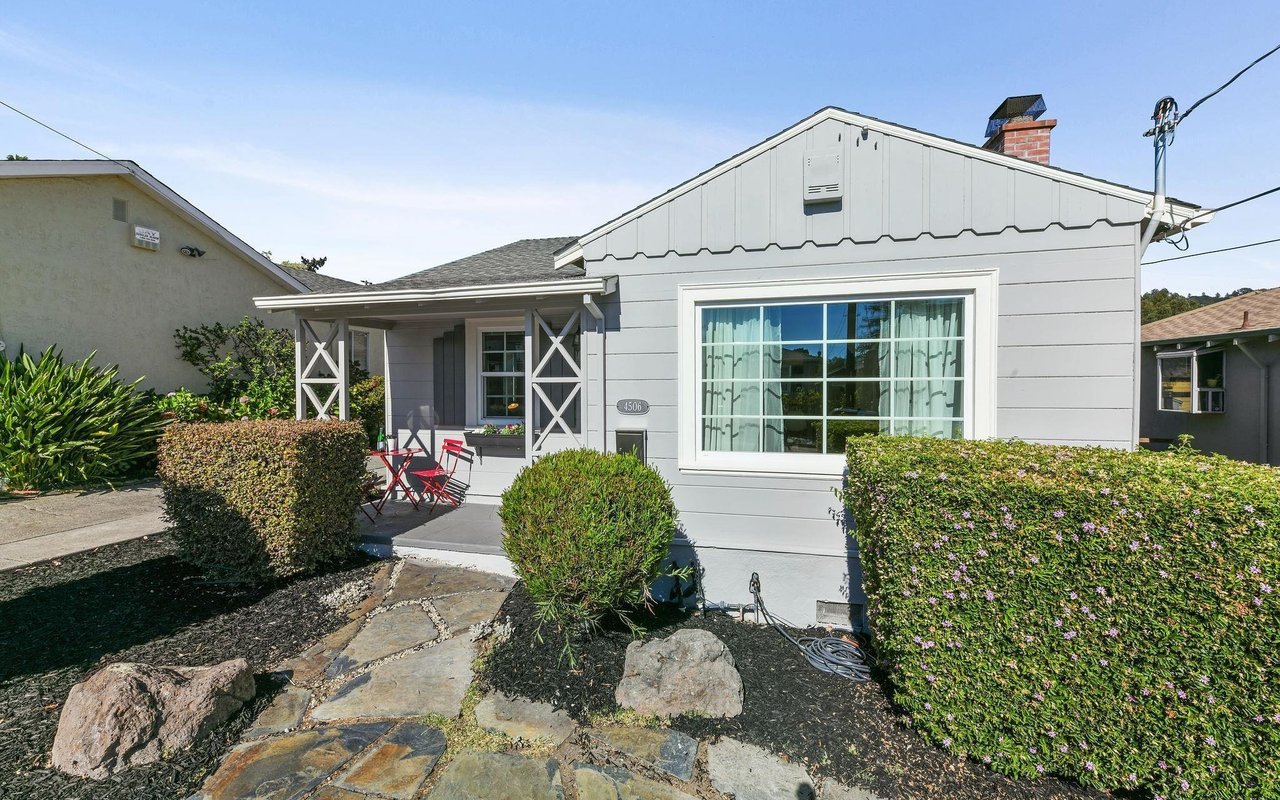
In Berkeley, curb appeal usually works best when it feels tidy, healthy, and in keeping with the home’s style. That often means pruning overgrowth, refreshing mulch, cleaning the walkway, and making the front entry feel well cared for. You do not need a dramatic redesign to create a strong first impression.
The same NAR report found strong cost recovery for relatively simple outdoor work:
- Landscape maintenance: 104%
- Overall landscape upgrade: 100%
- Tree care: 87%
- Irrigation installation: 83%
For many Berkeley sellers, that supports a simple strategy. Clean up the approach, sharpen the landscaping, and make the entry feel welcoming and maintained.
Paint, floors, and the front door
If you want updates that buyers notice quickly, this trio deserves serious attention. Clean paint, refreshed floors, and a strong front door can change the way your whole home feels without requiring a major remodel. These are the kinds of improvements that help a home photograph better and show better.
NAR guidance suggests refinishing hardwood floors can recover 147% of cost at resale, with about $3,400 in upfront cost and roughly $5,000 in recovery. NAR’s 2025 remodeling report also found that a new steel front door can recover 100% of cost, while a fiberglass front door can recover 80%. On top of that, REALTORS commonly recommend painting the whole home or at least one room before listing.
In Berkeley, these updates often work especially well because many homes already have attractive original materials. If your home has hardwood floors, original trim, or a classic porch, the goal is usually to make those details look clean, bright, and cared for. A polished version of the home’s existing character often lands better than a trendy finish that feels out of place.
What to prioritize here
- Repaint rooms with scuffs, bold colors, or uneven touch-ups
- Refinish hardwood floors if they are visibly worn
- Clean or replace damaged flooring where refinishing is not possible
- Repair chipped or peeling trim
- Repaint or replace the front door if it looks tired
- Update worn entry hardware if needed
Refresh kitchens and baths carefully
Kitchens and bathrooms matter, but they are not always the best place for a large pre-sale investment. NAR’s 2025 Remodeling Impact Report found that complete kitchen renovations recover about 75% of cost and bathroom renovations recover about 71%. Those are solid numbers, but they are still lower than some smaller, simpler updates.
That is why many Berkeley sellers are better served by a refresh rather than a full remodel, especially if they plan to list within 6 to 18 months. Instead of over-customizing, focus on what buyers will notice right away. Cleanliness, function, and visual consistency often go further than a full tear-out.
Smart refresh ideas include:
- Painting cabinets
- Replacing dated cabinet pulls
- Updating faucets or light fixtures
- Repairing grout and caulk
- Replacing visibly worn surfaces only where needed
- Correcting any functional issue that could raise concern
This approach helps you avoid pouring money into choices a buyer may want to change later. It also keeps the look of the home more aligned with Berkeley’s older housing stock, where charm and proportion can matter as much as brand-new finishes.
Preserve Berkeley character
One of the biggest mistakes sellers can make in Berkeley is updating in a way that strips away what makes the home appealing. Because the city has so many older homes and distinct architectural styles, original wood floors, trim, porch details, and window proportions often contribute to a property’s value and emotional pull.
That means your prep strategy should usually be preservation-minded. Instead of trying to make an older home look like a brand-new one, aim to make it feel well maintained, coherent, and easy to imagine living in. Buyers are often responding to the home’s personality as much as its layout.
In practice, that can mean:
- Repairing original features instead of replacing them when possible
- Choosing simple, neutral paint that lets architectural details stand out
- Avoiding finishes that clash with the home’s age or style
- Keeping porches, trim, and entry details clean and intact
Check permits and historic status early
Before starting work, it is smart to confirm whether your planned updates need review or permits. Berkeley exempts some finish-level updates from building permits, including painting, tiling, carpeting, cabinets, and countertops. But the city also says exterior changes trigger zoning review, and even exempt work must still comply with building standards and local ordinances.
That is especially important if your project touches the outside of the home. Window replacements, deck or porch repair or alteration, and repairs related to dry rot or pest damage are listed by the city among common minor projects that may need review. Fence rules also vary by height, with fences under 7 feet not requiring a building permit, while fences over 6 feet require a zoning permit.
Historic status is another key checkpoint in Berkeley. If your property is a City Landmark, a Structure of Merit, or located in a Historic District, the Landmarks Preservation Commission must approve a Structural Alteration Permit before building-permit consideration for exterior alterations. If you are not sure about your property’s status, the city advises confirming it early with zoning staff or the LPC secretary.
That early check can save you time, money, and stress. It is much easier to shape your prep plan around city requirements at the start than to redo your scope later.
Do not overlook disclosures
Disclosures are part of smart sale prep too, especially in a city with older housing. In California, sellers of 1-to-4 unit residential property generally must provide a Transfer Disclosure Statement. Homes built before 1978 also trigger federal lead-based paint disclosure requirements, including delivery of the EPA pamphlet and an opportunity for the buyer to inspect for lead hazards.
The California Department of Real Estate also notes that natural hazard disclosures may apply depending on the parcel’s mapped hazard zones. Since many Berkeley homes are older, these disclosure questions come up often. Getting organized early can help your sale feel smoother and more transparent.
Use staging and photography strategically
Once repairs and updates are complete, presentation becomes the next priority. NAR’s 2025 staging report found that 83% of buyers’ agents believe staging makes it easier for buyers to visualize a home as their future home. The same report found that buyers care most about photos, followed by traditional physical staging, videos, and virtual tours.
That means your home does not need to look perfect in every corner, but it does need to tell a clear visual story. The living room, primary bedroom, dining room, and kitchen are staged most often, which makes sense because those spaces tend to shape a buyer’s first impression. Outdoor space is staged less often, but it can still help support the listing.
Common pre-listing presentation steps include:
- Decluttering
- De-personalizing
- Whole-home cleaning
- Paint touch-ups
- Carpet cleaning
- Minor repairs
- Professional photos
- Curb appeal improvements
The median spend on a staging service was $1,500 in the NAR report, compared with $500 when sellers’ agents staged the home themselves. For many Berkeley sellers, the smartest path is to prioritize cleaning, decluttering, minor repairs, and photography first, then use paid staging where the layout or condition needs extra help.
DIY versus hiring professionals
Some pre-sale work is very DIY-friendly. Painting is one of the clearest examples, especially if you are comfortable doing clean prep and detail work. NAR’s 2025 remodeling report found that many homeowners take a hybrid approach, with some hiring professionals for the full job, some buying materials and hiring labor, and others doing part of the labor themselves.
Still, not every task is worth tackling on your own. Larger repairs, code-sensitive items, and anything involving exterior changes are often better handled by licensed professionals. If the work affects safety, structure, or city review, professional help usually protects both your timeline and your listing quality.
A simple rule of thumb is this:
- DIY: painting, decluttering, light cosmetic updates, yard cleanup
- Hire out: flooring refinishing, significant repairs, exterior alterations, code-sensitive work
A smart Berkeley prep plan
If you want a practical order of operations, keep it simple. The strongest approach for many Berkeley sellers is to fix obvious defects first, improve the exterior approach, refresh paint and floors, preserve the home’s character, and then stage and photograph the key living spaces well.
That sequence is usually more defensible than a broad discretionary remodel. It helps your home feel cared for, market-ready, and true to its style. In a market where homes can move quickly but condition still shapes buyer response, smart updates can make a meaningful difference.
If you are weighing which improvements are worth doing before you list, working with a local agent can help you focus on the changes most likely to support your price and presentation. For Berkeley sellers who want thoughtful guidance, polished marketing, and a calm, informed strategy, Diana Ip can help you build a prep plan that fits your home and your timeline.
FAQs
What updates add the most value before selling a Berkeley home?
- In many cases, the smartest updates are curb appeal improvements, paint, floor refinishing, minor repairs, and a refreshed front door rather than a major remodel.
Should you remodel the kitchen before selling a Berkeley house?
- Usually, a targeted kitchen refresh makes more sense than a full remodel if you plan to sell within 6 to 18 months, unless there is a major defect that needs correction.
Do Berkeley home sellers need permits for cosmetic updates?
- Some finish-level work like painting, tiling, carpeting, cabinets, and countertops may be exempt from building permits, but exterior changes can trigger zoning review and all work still must follow local codes.
What should sellers know about historic homes in Berkeley?
- If your property is a City Landmark, Structure of Merit, or in a Historic District, exterior alterations may need approval from the Landmarks Preservation Commission before building-permit review.
Is staging worth it for a Berkeley home sale?
- Staging can help buyers picture the home more clearly, and many sellers get the most value by starting with decluttering, cleaning, minor repairs, and professional photos, then adding staging where needed.
What disclosures are common when selling an older Berkeley home?
- California sellers generally must provide a Transfer Disclosure Statement, and homes built before 1978 also require lead-based paint disclosures and related buyer notification steps.