What if you could narrow your Oakland home search in minutes by learning how the city is shaped and how each neighborhood lives day to day? Whether you want an easy BART commute, a morning loop around the lake, or more yard for weekend projects, the right fit starts with location and lifestyle. In this guide, you’ll learn how Oakland’s flats and hills shape housing types, where the most walkable corridors sit, and what commute options look like from each area. Let’s dive in.
How Oakland is organized
Oakland reads as a collection of distinct neighborhoods, and a simple mental map helps. City planning groups areas by station hubs and hillside or flatland districts, which is a useful way to search. You can preview that framework in the City of Oakland’s neighborhood and citywide plans, which highlight station areas, corridors and hillside patterns for buyers who want quick orientation (City of Oakland planning pages).
Two big ideas help you choose:
- Flats vs. hills: In the flats you’ll find denser blocks, classic bungalows, and walkable commercial corridors. The hills offer larger lots, winding streets, and easy trail access, with more driving for daily errands.
- Transit hubs vs. neighborhood corridors: Station areas like downtown, Rockridge, MacArthur and Fruitvale offer quick BART access. Retail corridors like College Avenue, Grand/Lakeshore and Telegraph concentrate cafés, groceries and services.
Neighborhood snapshots
Use these quick profiles to match your priorities. Each section starts with a feel, then gives housing notes, daily conveniences, parks, and commute links.
Downtown, Uptown, Old Oakland, Jack London
Oakland’s highest-density core mixes renovated historic buildings with newer condo and apartment projects, plus cultural anchors like the Fox Theater and weekly activity hubs in Old Oakland and on the waterfront.
- Housing: Condos, loft conversions, apartment buildings, and select infill townhomes.
- Walkability and dining: Very walkable for everyday errands and nightlife, with concentrated options in Old Oakland and Jack London; Walk Score consistently rates these blocks highly.
- Parks and green space: Lake Merritt sits a few blocks from parts of downtown, and Jack London fronts the waterfront and hosts a farmers market (Lake Merritt background).
- Commute options: 12th St./Oakland City Center and 19th St. BART stations serve the core, with Amtrak’s Capitol Corridor at Jack London Square for regional trips (BART stations list, Capitol Corridor Jack London Station). The Oakland–Alameda water shuttle and Bay ferry services connect the waterfront to nearby terminals (Oakland–Alameda water shuttle overview).
Lake Merritt, Grand Lake, Adams Point
Centered on the lake’s ring of parkland, this area blends historic apartment hotels, mid-century condos, and older single-family homes on nearby blocks. The lake is a daily destination for jogs, dog walks and sunset loops.
- Housing: Older low-rise apartments, pre-war single-family homes, and some vintage high-rises or newer condo conversions near the water.
- Walkability and shopping: Grand Avenue and Lakeshore offer cafés, groceries and a popular farmers market. Walk Score places these blocks among Oakland’s more walkable pockets.
- Parks and activities: The perimeter path, formal gardens, Children’s Fairyland and the Rotary Nature Center offer year-round outings (Lake Merritt background).
- Commute options: Lake Merritt BART is close by for downtown or transbay trips, and buses run along Grand and Lakeshore (BART stations list).
Rockridge and College Avenue
College Avenue feels like a small-town main street inside the city, with tree-lined blocks, cafés and independent shops.
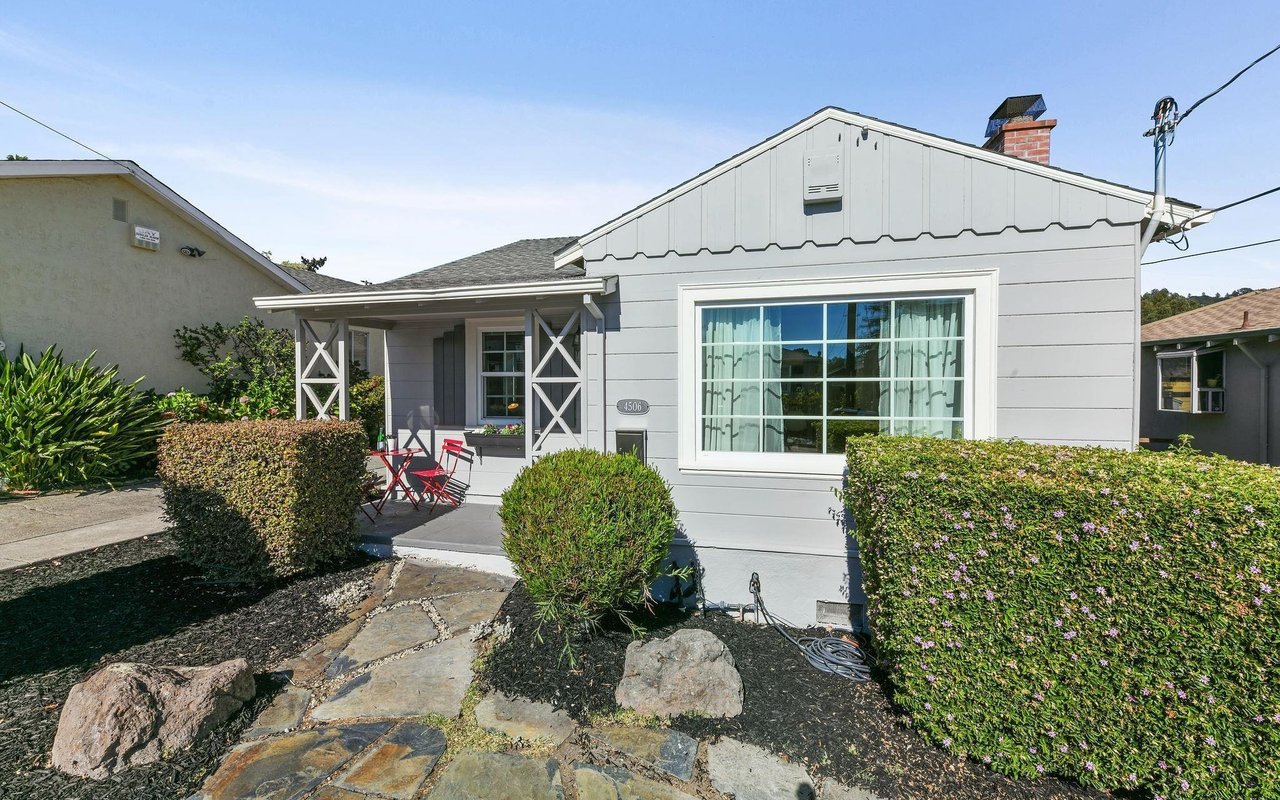
- Housing: Craftsman-era bungalows, Arts and Crafts homes, and small apartment buildings on larger single-family lots than downtown.
- Walkability and dining: Very walkable around College Avenue for everyday errands and dining.
- Parks and nearby nature: Smaller pocket parks dot the area, and the hills and Lake Temescal are a short drive away.
- Commute options: Rockridge BART provides direct service to Oakland and easy transfers to San Francisco and Berkeley (BART stations list).
Temescal and North Oakland
An established neighborhood with a lively food and small-business scene along Telegraph and nearby streets, supported by an active business district and year-round events.
- Housing: Modest bungalows, classic Craftsman homes, plus newer townhomes and condos in infill pockets.
- Walkability and dining: Telegraph Avenue and 40th Street cluster restaurants, cafés and a weekend farmers market (Temescal dining and guide).
- Parks and nearby nature: Several small parks and playgrounds serve the area, with Lake Temescal and the hills a short hop away.
- Commute options: MacArthur or Rockridge BART depending on your block, and frequent AC Transit routes along Telegraph and Broadway (BART stations list).
Montclair and the Oakland Hills
Hillside neighborhoods offer winding streets, larger lots and a quieter, more suburban feel, anchored by Montclair Village for daily needs.
- Housing: Larger single-family homes that range from storybook cottages to custom and modern builds on sloped lots. Expect typical hillside considerations like grading and vegetation management.
- Walkability and shopping: Montclair Village is a compact, walkable cluster for groceries, coffee and dining. Many errands elsewhere are a short drive.
- Parks and trails: Quick access to Lake Temescal, Joaquin Miller Park, and Redwood’s network via nearby trailheads. Regional park pages highlight hiking and biking options across the hills (East Bay Regional Parks overview).
- Commute options: Driving is common for many trips, with Highway 24 and the Caldecott Tunnel linking to Contra Costa. BART access is less central than in North or Central Oakland.
West Oakland and Jingletown
Close to downtown and the port, you’ll see a mix of older industrial blocks, warehouse-to-loft conversions and new development clusters near the waterfront.
- Housing: Converted warehouses and artist lofts mix with early 20th-century cottages and newer infill on smaller lots.
- Walkability and shopping: Local retail nodes are emerging in select corridors. Walkability varies by block, with stronger options near transit.
- Parks and nearby nature: Pocket parks and waterfront paths provide quick outdoor breaks.
- Commute options: West Oakland BART offers one-stop access to downtown SF and quick connections across the East Bay, with fast links to I-880 and the MacArthur Maze for drivers (BART stations list).
Fruitvale, East Oakland, Dimond
A dense, active set of neighborhoods with strong commercial corridors and community events, centered by Fruitvale Village next to the BART station.
- Housing: 1920s bungalows, modest single-family homes and a fair amount of low-rise multifamily stock.
- Walkability and shopping: Fruitvale Village and the public market bring groceries, services and weekly markets together in a transit-oriented hub (Fruitvale Village overview).
- Parks and nearby nature: Greenways, local parks and creek-adjacent spaces provide quick outdoor time, with the hills reachable by car.
- Commute options: Fruitvale BART is a major East Oakland hub with I-880 and regional bus connections nearby (BART stations list).
Commutes and connections, at a glance
If you plan to ride rather than drive, Oakland’s station network is a major advantage. Multiple BART stations sit within city limits, including 12th St., 19th St., Lake Merritt, MacArthur, Rockridge, West Oakland and Fruitvale (full stations list).
- Ferry and water shuttles: The Jack London ferry terminal supports commuter and leisure crossings, and local pilot shuttles have connected Oakland and Alameda in recent years (Oakland–Alameda water shuttle overview).
- Regional rail: Amtrak’s Capitol Corridor serves Jack London Square, which is helpful if you travel to Sacramento or the Central Valley by train (Capitol Corridor Jack London Station).
- Freeways: I-880 runs north–south along the bay, I-580 runs east–west, and Highway 24 crosses the hills through the Caldecott Tunnel.
- Bikes and active transport: City planning documents highlight an expanding bikeway network, including lake loops and corridor improvements that make short trips more comfortable (Oakland 2045 General Plan update).
Buyer tips for Oakland homes
A little context helps you shop with confidence. Here are common features and tradeoffs buyers consider across the city:
- Period housing basics: Much of Oakland’s housing dates from the early 1900s through the 1930s. Expect Craftsman bungalows, Victorians and early apartment buildings. Older homes often benefit from seismic retrofits and system updates. Plan for thorough inspections and talk with your lender about any retrofit or repair needs.
- Hills vs. flats tradeoffs: Hillside pockets deliver larger lots, views and instant trail access, but daily errands may mean more driving and steeper streets. Flatland areas offer stronger walkability, more frequent transit and neighborhood retail.
- Condos, lofts and HOAs: Downtown, Jack London and some waterfront or warehouse districts include many condos and loft conversions. Review HOA budgets, rules and lending requirements closely so you understand your total monthly cost and any project-specific items.
- Remodels and ADUs: Oakland supports home improvement and small-scale infill through city programs and permitting. If you plan a remodel or accessory unit, start with the City’s permit resources for process and timelines (City permit and neighborhood improvement).
Putting it together
Start by deciding where you want to be on the flats-to-hills spectrum. Then pick two or three neighborhoods that match your daily rhythm, whether that is a lake loop and a village coffee, or a quick BART hop and a loft near the waterfront. From there, tour at two speeds: a weekday evening to test the commute and errands, and a weekend morning to feel parks and local events. With a clear short list, you can focus on home types and readiness to move when the right place hits the market.
Ready for a local, steady guide to help you compare blocks, time commutes and read the market? Reach out to Diana Ip for a friendly consult and a short list tailored to your lifestyle, budget and timeframe.
FAQs
What is the best Oakland neighborhood for a car-free commute?
- Look near BART station hubs like 12th St., 19th St., MacArthur, Rockridge, West Oakland or Fruitvale for the broadest rail access, and use ferry or water-shuttle options from Jack London Square if a water crossing fits your route (BART stations list, water shuttle overview).
How do Oakland’s hills compare with the flats for daily life?
- Hills offer larger lots, quieter streets and quick trail access, while the flats tend to have denser blocks, stronger walkability and more frequent transit and retail corridors.
Where can I find classic Craftsman homes in Oakland?
- Look across North and Central Oakland neighborhoods like Rockridge and Temescal, along with many flatland districts that were built out in the early 1900s, and plan for inspection-focused due diligence on older systems.
What outdoor options are close to Oakland’s hill neighborhoods?
- You have quick access to Joaquin Miller Park and the Redwood trail network, with regional park resources highlighting hiking and biking routes across the hills (East Bay Regional Parks overview).
If I travel regionally, what transit options should I consider?
- Combine BART for daily local trips with Amtrak’s Capitol Corridor from Jack London Square for Sacramento and Central Valley travel, and consider Bay ferry options if your commute includes San Francisco (BART stations list, Capitol Corridor Jack London Station).