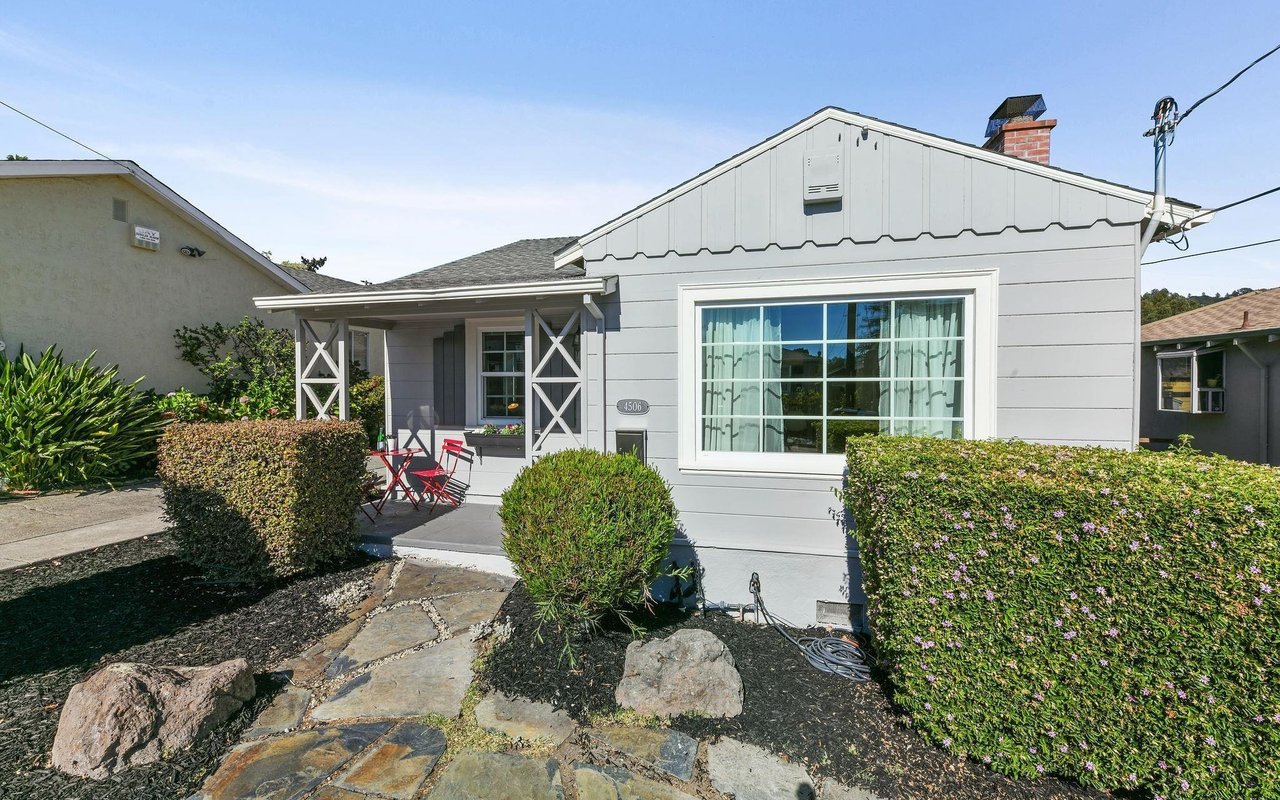
Wondering whether a condo or a house makes more sense in Berkeley? You are not alone. With Berkeley home prices high and competition still intense, the right choice often comes down to how you want to live, what you want to spend each month, and how much responsibility you want to take on. This guide will help you compare the real tradeoffs so you can move forward with more clarity. Let’s dive in.
Berkeley prices create a big starting difference
If you are comparing condos and houses in Berkeley, the first big difference is usually the price. Redfin’s May 2026 data shows a median sale price of $1,611,681 for single-family homes in Berkeley, compared with $893,161 for condo and co-op homes.
That is a gap of about $718,520, or roughly 44.6% less for condos at the median. For many buyers, that lower entry point is the main reason condos stay in the conversation.
Berkeley is also a very competitive market overall. Redfin reports homes selling in about 15 days on average, with an average sale-to-list ratio of 126.6%. That means whichever property type you choose, it helps to be prepared and realistic about timing and budget.
Monthly cost matters more than sticker price
A lower purchase price does not always mean a lower monthly cost. In Berkeley, the better comparison is your full carrying cost, not just the list price.
For condos, HOA dues can change the math quickly. These fees are usually paid directly to the association rather than folded into your mortgage payment, and they can range from a few hundred dollars a month to more than $1,000 a month.
For houses, you usually avoid HOA dues, but you take on more direct repair and maintenance costs yourself. You are also responsible for property taxes, homeowner’s insurance, and related utilities.
A useful way to compare options is to build a simple monthly budget that includes:
- Mortgage payment
- Property taxes
- Homeowner’s insurance
- HOA dues, if applicable
- Utilities
- Ongoing maintenance reserve
In Alameda County, Proposition 13 generally limits the ad valorem property tax rate to 1% of taxable value, plus voter-approved bonded indebtedness, service fees, improvement bonds, and special assessments. Based on Berkeley’s median price gap, that difference alone can translate to about $7,185 per year in the 1% base-tax component before local assessments or exemptions.
That does not mean a condo always costs less month to month. It means you should compare the full picture before deciding.
Condo ownership often means less exterior upkeep
One major reason buyers choose condos is simplicity. In a condominium, the homeowners association typically manages shared expenses and common maintenance, which can include things like roofs, shared structures, and driveways.
If you want less hands-on exterior maintenance, that can be a real advantage. You may spend less time dealing with repairs outside your unit, and shared services can make ownership feel more manageable.
The tradeoff is that you usually have less individual control over common areas and building decisions. You are part of a shared system, and that system comes with rules, budgets, and governance.
House ownership offers more control
If you buy a house in Berkeley, you generally have more control over the property. That can matter if you want to renovate, rework outdoor space, or make long-term design decisions without going through an association.
That extra control also comes with more responsibility. Repairs, maintenance planning, and upkeep fall on you, and Berkeley requires permits for many construction and repair projects.
The city requires building permits for new structures, alterations, demolition, and many trade-related changes. Some projects may also require zoning approval, so it is smart to think about future plans before you buy.
Future projects matter in Berkeley
For some buyers, the condo-versus-house question is really a question about future flexibility. If you hope to add space later, create an ADU, or make substantial changes, a house may fit better.
Berkeley says additions and ADUs have zoning requirements. Additions over 600 square feet or 15% of lot area, the creation of a fifth bedroom, and some nonconforming changes can trigger discretionary review.
The city also allows ADUs and Junior ADUs on properties with existing or proposed single-family dwellings, subject to city standards and permits. If an ADU strategy is part of your long-term plan, that is worth reviewing early in your search.
With a condo, your improvement options are usually narrower. Your unit may still allow updates, but the building’s governing documents and the association’s rules shape what you can do.
Condo due diligence is its own process
Buying a condo in California involves a specific set of disclosures. Under the Davis-Stirling Act, a buyer must receive governing documents, current assessment information, unpaid fines or charges, notices of unresolved violations, defect-related materials, and other required disclosures before closing.
This is one reason condo buying requires more than comparing finishes and floor plans. You also need to understand the association’s financial and legal framework.
As you review a condo, it helps to ask:
- What do the HOA dues cover?
- Are there any special assessments?
- Are there unpaid fines or unresolved violations tied to the unit?
- What do the rules say about pets or rentals?
- How is the association handling major repairs?
These details can shape both your monthly budget and your day-to-day ownership experience.
Earthquake risk should be part of the choice
In Berkeley, earthquake risk is not a side note. It should be part of how you compare condos and houses.
The California Department of Insurance says standard homeowners insurance does not cover earthquake damage. Earthquake insurance is optional, and the California Earthquake Authority offers policies for both homeowners and condo unit owners.
For condo owners, there is an extra layer to understand. The HOA may insure common areas and exterior structures, but that coverage may not include earthquake damage, and owners may face assessments after a loss.
For house buyers, the question is more direct but still important. You will want to understand what coverage you want, what it costs, and how it fits into your long-term budget.
Berkeley zoning may shape long-term ownership
Your decision is not only about the property itself. It is also about how the surrounding area may change over time.
Berkeley adopted middle-housing zoning changes that took effect on November 1, 2025. These changes allow duplexes, triplexes, fourplexes, courtyard apartments, and other small-scale multifamily housing in low-density residential neighborhoods across much of the city.
For house buyers, that may affect how you think about future block-level change. It does not make a house better or worse by itself, but it is part of the long-term context of ownership in Berkeley.
For condo buyers, it reinforces a broader point about Berkeley housing: the city continues to evolve, and flexibility matters when you think about where and how you want to live.
Which option fits your lifestyle best?
A condo often makes sense if you want a lower entry price and less exterior maintenance. This can appeal to first-time buyers, relocating professionals, and downsizers who want a simpler ownership experience and are comfortable with HOA rules and dues.
A house often makes more sense if you want more space, more privacy, or more freedom to customize over time. It can also be a better fit if a yard, future addition, or ADU potential is high on your list.
Neither option is automatically better. The better fit is the one that matches your budget, your tolerance for upkeep, and the way you actually plan to live in Berkeley.
A practical Berkeley decision checklist
If you are deciding between a condo and a house, this short checklist can help you focus on what matters most:
- Compare the full monthly cost, not just purchase price
- Review HOA dues and what they cover
- Ask about special assessments and reserve planning for condos
- Estimate maintenance responsibility for a house
- Review insurance needs, including earthquake coverage options
- Think through future remodel or ADU goals
- Check what permits or zoning approvals may be needed
- Consider how much privacy, control, and shared decision-making you want
In a market as competitive and nuanced as Berkeley, small details can have a big effect on your comfort and costs over time.
If you want help weighing condos versus houses in Berkeley, Diana Ip offers patient, local guidance to help you compare options, understand the numbers, and choose a home that fits your life.
FAQs
What is the main price difference between a condo and a house in Berkeley?
- In May 2026 Redfin data, the median sale price was $893,161 for condo and co-op homes and $1,611,681 for single-family homes in Berkeley.
What extra monthly costs should you expect with a Berkeley condo?
- In addition to your mortgage, you should budget for HOA dues, property taxes, insurance, utilities, and any potential special assessments.
What extra ownership responsibilities come with a Berkeley house?
- House owners are typically responsible for repairs, maintenance, property taxes, homeowner’s insurance, and related utilities.
What should you review before buying a Berkeley condo?
- You should review the HOA governing documents, assessment information, unpaid fines or charges, unresolved violations, and what the dues actually cover.
Can you add an ADU to a house in Berkeley?
- Berkeley allows ADUs and Junior ADUs on properties with existing or proposed single-family dwellings, subject to city standards and permits.
Does standard homeowners insurance cover earthquake damage in Berkeley?
- No. The California Department of Insurance says standard homeowners insurance does not cover earthquake damage, and earthquake coverage is optional.