Thinking about buying a historic home in Oakland? It can be an exciting move, but it also comes with a different set of questions than buying a newer property. If you love original details, a sense of place, and architecture with real personality, this guide will help you understand what to look for, what to budget for, and where to slow down before you make an offer. Let’s dive in.
Why Oakland Historic Homes Stand Out
Oakland has one of the East Bay’s most varied historic housing landscapes. According to the City of Oakland, the city includes about 140 individual landmarks, nine designated preservation districts with around 1,500 buildings, roughly 2,600 buildings in the Local Register, and a citywide Cultural Heritage Survey that rates visible buildings.
That matters because “historic” in Oakland does not describe just one kind of property. You may be looking at a designated landmark, a contributing property in a preservation district, a Heritage Property, a survey-rated home, or simply an older house with strong period character.
For buyers, that range creates both opportunity and complexity. Two homes built around the same time can come with very different rules, maintenance needs, and renovation options.
What Historic Housing Can Look Like
Oakland’s older housing stock includes several architectural styles that still shape the feel of many neighborhoods. City materials point to Victorian homes, Craftsman houses, Tudor homes, and Mediterranean styles as lasting parts of Oakland’s architectural fabric.
In places like Old Oakland-Victorian Row and parts of West Oakland, you may see Victorian-era homes with details that are hard to reproduce today. West Oakland planning materials describe surviving Victorian neighborhoods with Italianate, Stick, and Queen Anne houses.
The City also notes that the materials and workmanship used in historic buildings are often impossible or costly to obtain now. That is a good reminder that repairs may require more time, more specialized labor, and a bigger maintenance reserve than a comparable newer home.
Victorian and Queen Anne Feel
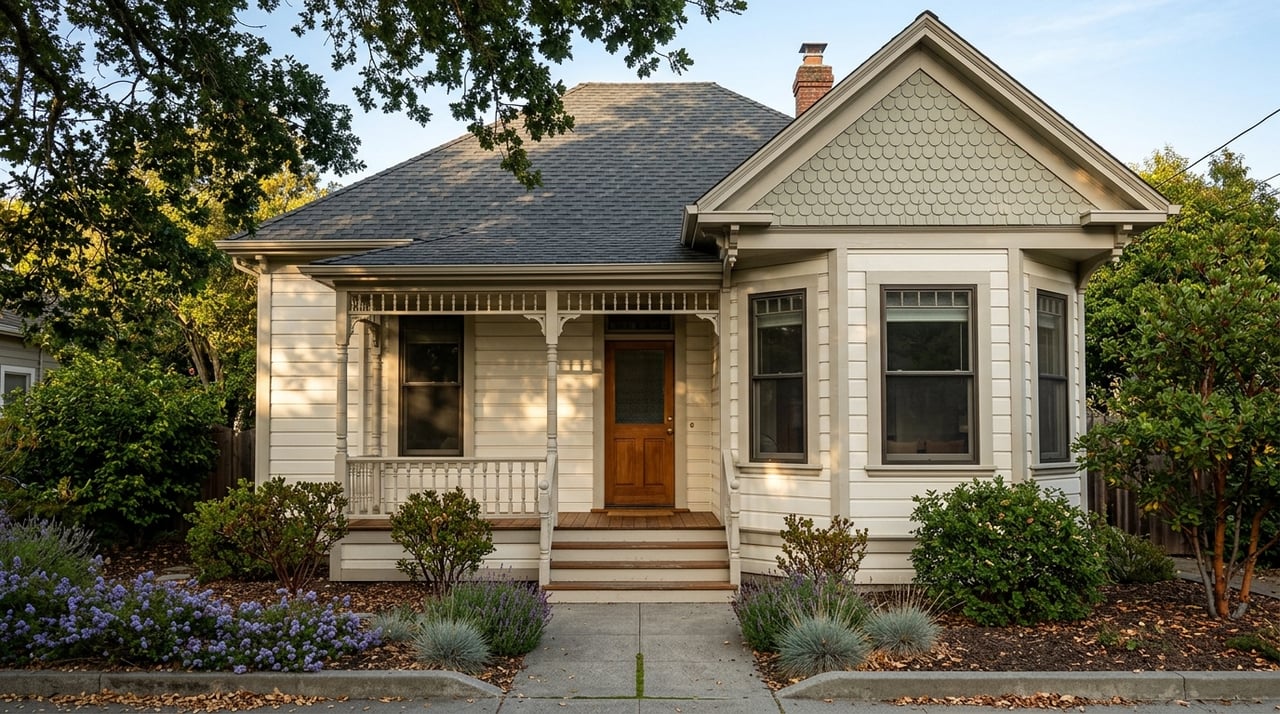
Victorian and Queen Anne homes often feel expressive and layered. They may include asymmetrical shapes, porches, dormers, decorative shingles, spindlework, turrets, or mixed exterior materials.
Inside, these homes can feel more stair-centered or segmented than newer open-concept houses. If you love architectural drama and original detail, that may be part of the appeal. If you want wide-open layouts, you may need to weigh charm against function.
Craftsman Feel
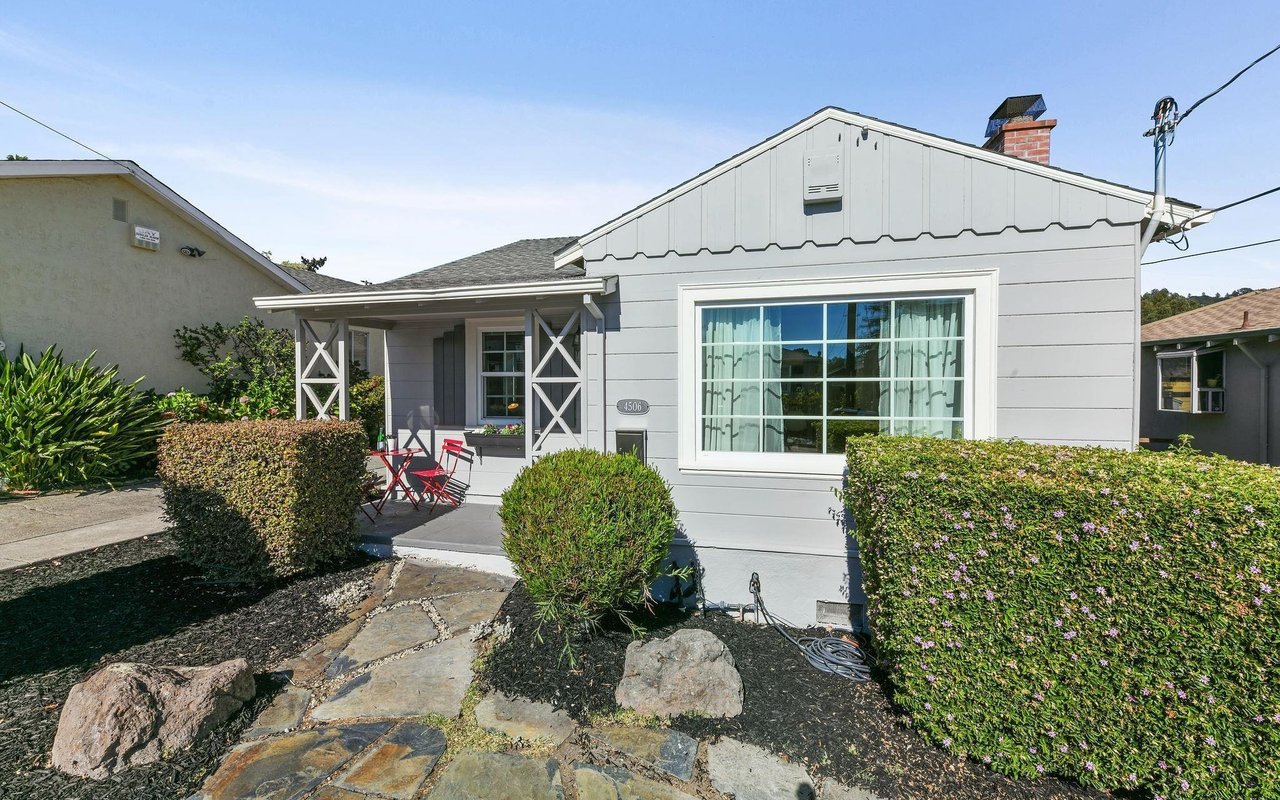
Craftsman homes usually have a lower, more grounded profile. Broad gables, wide eaves, and porch-focused fronts often make them feel warm, compact, and practical.
Many buyers are drawn to the everyday livability of a Craftsman. These homes can feel more approachable than grand, with layouts that often support comfortable room-to-room living rather than dramatic vertical space.
Tudor Revival Feel
Tudor Revival homes tend to feel more storybook and structured. Common features include steep roofs, half-timbering, stucco, brick or stone accents, and tall narrow multi-pane windows.
These homes often have strong curb appeal and a distinct visual identity. They can also include specialized exterior materials that may need careful maintenance over time.
Check Historic Status Before Planning Changes
One of the biggest mistakes buyers make is assuming that an older home is either fully protected or not protected at all. In Oakland, historic status exists on a spectrum.
The City states that Designated Historic Properties, Heritage Properties, and some survey-rated historic properties are subject to design review and demolition findings. Oakland also recognizes these properties as eligible to use the California Historical Building Code.
In practical terms, that means a privately owned home may still face extra review for exterior changes, additions, or demolition. If you are imagining new windows, a larger addition, or a major exterior remodel, verify the property’s status early.
A smart first step is checking the City zoning map for a property’s historic significance. Buyers can also work with Oakland’s Planning Department and the Oakland History Center to research permits, block books, Sanborn maps, original construction dates, and later alterations.
Budget for Older-Home Inspections and Repairs
Historic homes can be deeply rewarding to own, but they usually ask more from you in return. In Oakland, that often means more inspection items, more maintenance planning, and more careful renovation decisions.
Before you buy, it helps to think beyond the purchase price. A beautiful older home may also come with costs tied to health and safety issues, deferred maintenance, and specialized repair work.
Lead-Based Paint
Homes built before 1978 are more likely to contain lead-based paint. The main hazard comes from deteriorating paint, dust, and renovation work that disturbs old painted surfaces.
If you are buying a pre-1978 home, you are generally entitled to lead disclosure information before purchase. If you plan to remodel after closing, contractors working on pre-1978 housing must follow lead-safe rules.
Asbestos Risks
Asbestos is another issue that can show up in older homes. It may be found in materials such as floor tile, ceiling tile, shingles, siding, and pipe wrap.
The key risk is usually not the mere presence of a material, but whether it is damaged or disturbed. If you want to remodel, suspected asbestos-containing materials should be sampled by a trained professional instead of judged by appearance alone.
Moisture and Mold
Moisture is the key to mold control. In older houses, leaks, drainage problems, and ongoing dampness can quietly turn into much larger repair issues if they are not addressed.
When you tour a home, pay attention to signs of water intrusion, drainage patterns, basement or crawlspace conditions, and any history of recurring leaks. These details matter just as much as the home’s finishes.
Oakland Seismic Issues Matter
Seismic risk is part of buying in Oakland, and it deserves special attention when you are considering an older property. The City notes that Oakland sits along the Hayward Fault.
California emergency guidance adds that homes built before 1980 can be more vulnerable because they were built before modern seismic codes. That does not mean every older house is unsafe, but it does mean you should ask more questions about past upgrades, permits, and structural work.
Oakland also operates a mandatory soft-story retrofit program for certain pre-1991 wood buildings with five or more units and vulnerable lower stories. The City requires permits for seismic retrofit work.
If you are buying a single-family historic home, the soft-story program may not apply. Still, the broader takeaway is clear: ask about retrofit history, review permit records when possible, and make seismic readiness part of your due diligence.
Ask Different Questions During Due Diligence
A historic home purchase usually goes more smoothly when you ask targeted questions early. You are not just evaluating style and location. You are also learning how the home has been maintained and what flexibility you may have in the future.
Here are a few smart questions to raise during your research and inspection period:
- What is the home’s historic status with the City of Oakland?
- Is it a designated landmark, in a preservation district, a Heritage Property, or survey-rated?
- Have there been major exterior changes or additions?
- Are there permit records for past work?
- Has the home had seismic retrofit work, and was it permitted?
- Are there signs of deferred maintenance involving paint, drainage, roofing, or foundation conditions?
- If the property has a Mills Act contract, what obligations run with the home?
These questions can help you understand both current condition and future ownership responsibilities. They also give you a clearer picture of the true cost of ownership.
Understand the Mills Act Before You Count Savings
For some qualified historic properties, the Mills Act can be a meaningful financial factor. Oakland states that the program can reduce taxes for historic properties when owners agree to repair and maintain the home’s historic character.
That said, buyers should approach the program carefully. Oakland’s 2024 staff report notes that Mills Act contracts run with the property, and the City cautions owners not to over-promise the tax benefit because savings can be smaller than expected.
If a home already has an active Mills Act contract, ask what work program is attached to it. This is important because the agreement can shape both your budget and your maintenance responsibilities after closing.
Is a Historic Oakland Home Right for You?
The tradeoff is fairly straightforward. Historic homes in Oakland can offer strong architectural character, original craftsmanship, and a real sense of place, but they often come with more maintenance planning, more inspection concerns, and sometimes more rules around exterior work.
For many buyers, that tradeoff is worth it. If you value original detail and are comfortable budgeting for specialized repairs and occasional preservation review, a historic home may be a great fit.
If you want a simpler maintenance profile or expect major design changes right away, it is worth slowing down and comparing older homes with other options in Oakland. The right choice depends on how you want to live, what projects you are prepared to manage, and how much historic character matters to you.
Buying a historic home is rarely just about square footage. It is about choosing a property with a story, understanding the responsibilities that come with it, and making sure the fit is right for your goals. If you want thoughtful, local guidance as you weigh Oakland’s older homes, connect with Diana Ip for a conversation.
FAQs
What makes a home historic in Oakland?
- In Oakland, a home may be historically significant in different ways, including being a designated landmark, part of a preservation district, listed as a Heritage Property, or identified through the city’s Cultural Heritage Survey.
What should buyers check before remodeling a historic Oakland home?
- Buyers should verify the property’s historic status, review permit history, and confirm whether exterior changes or additions may trigger design review or other city approval.
Are older Oakland homes more expensive to maintain?
- They can be, because historic homes may include older materials, specialized workmanship, and repair needs that are harder or more costly to address than in newer homes.
Do historic homes in Oakland have earthquake concerns?
- Older homes can be more vulnerable because many were built before modern seismic codes, so buyers should ask about retrofit work, permits, and structural upgrades.
Can a historic Oakland home qualify for tax savings?
- Some qualified properties may be eligible for the Mills Act, which can reduce taxes in exchange for preserving and maintaining historic character, but buyers should review the contract details carefully.