Torn between Berkeley and Oakland for your next move? You are not alone. Both cities offer strong character, good transit, and distinct neighborhood vibes, which can make the choice feel big. In this guide, you will compare prices, housing types, commute options, and daily-life tradeoffs so you can decide with confidence. Let’s dive in.
Quick snapshot: prices and pace
Headline comparisons to set the stage
- Population size sets context. Berkeley has about 120,000 residents, while Oakland has around 440,000. A larger city often means more neighborhood variety and wider price bands.
- Median sale price snapshot. In recent market data, Berkeley’s median sale price hovered near $1,288,000, while Oakland’s was about $740,000. City medians can shift month to month with what sells most in that period, but this gap helps frame expectations.
- Owner-value context. American Community Survey estimates show median owner-occupied home values around $1.35 million in Berkeley and about $930,000 in Oakland. These figures come from a different method than monthly sales medians, which is why sources do not always match.
- Rent signals. Listing snapshots show Berkeley’s median rent around $2,800, while Oakland one-bedroom averages often fall near $1,900 to $2,000. Neighborhood and building type can swing these numbers.
Why sources differ
You will see different numbers depending on the metric. Monthly median sale prices reflect what closed that month and can jump around. Owner-value estimates and index-style measures smooth trends over time. Use monthly medians to understand the current market feel and longer-run estimates to track big-picture value.
Housing: what your budget buys
Berkeley housing character
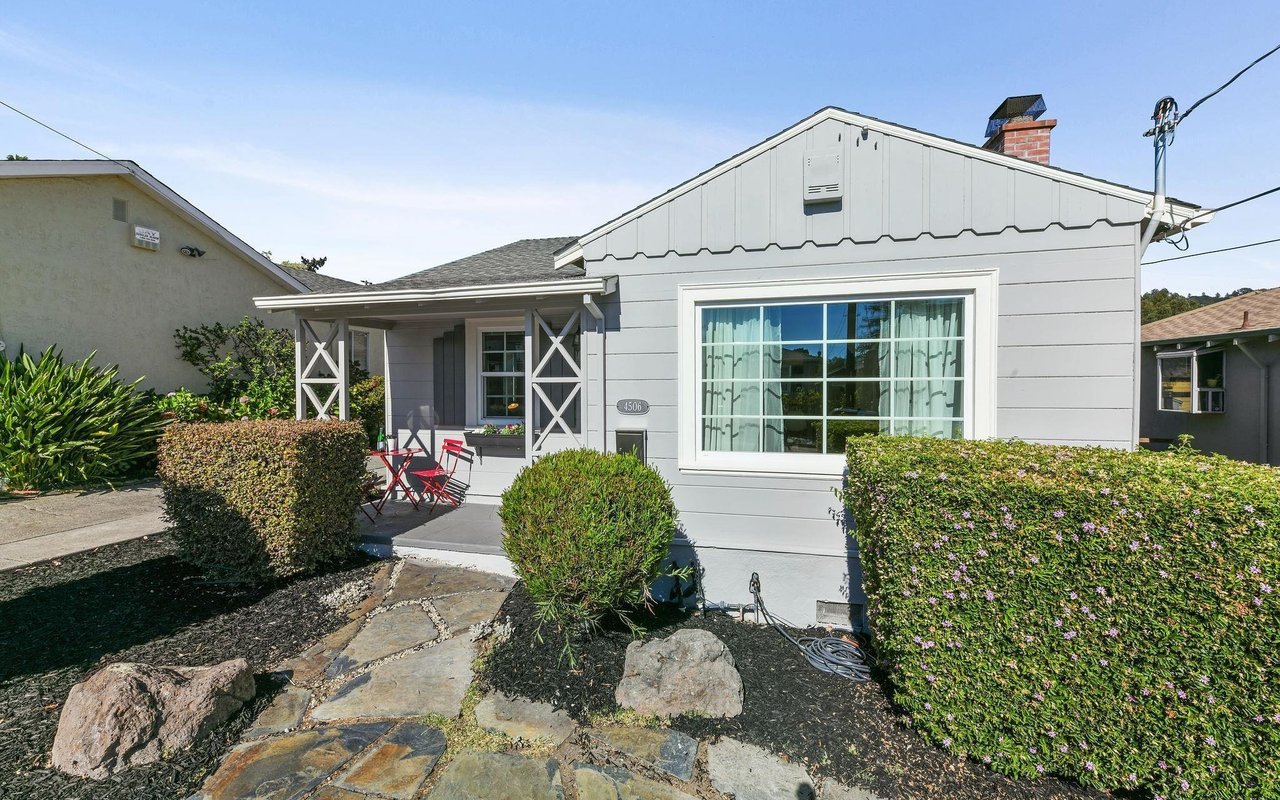
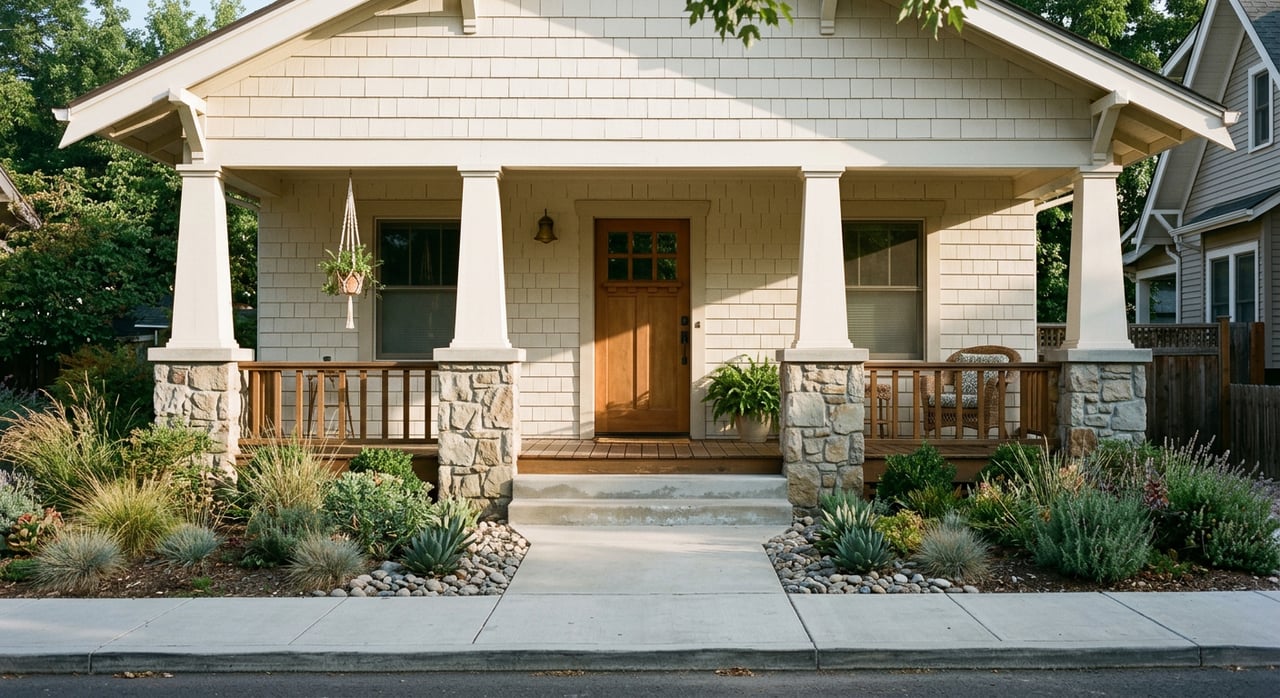
Berkeley is compact, with UC Berkeley at its core. Near campus and Telegraph, you see many small multi-unit buildings and student-oriented rentals. In the Berkeley Hills, Elmwood, and Claremont, you find Craftsman and mid-century single-family homes that tend to command a premium. Inventory is tight and ownership rates sit around the low-to-mid 40 percent range.
Oakland housing variety
Oakland spans dense, transit-served neighborhoods and quieter hills communities. Central areas like Uptown, Lake Merritt, and Downtown have larger multi-family buildings and strong access to amenities. Rockridge and Montclair offer stable single-family options, while price and condition vary widely across the city’s many districts. Owner-occupied share is similar to Berkeley, but Oakland’s diversity of stock creates more entry points for different budgets.
Space and price tradeoffs
- In Berkeley, expect most single-family homes to list above $1 million. Condos and smaller two-bedroom options can appear below that threshold, but they move fast.
- In Oakland, the citywide median is lower, yet prime neighborhoods near the Piedmont border, Rockridge, and parts of North and West Oakland often trade well above the median. Other districts may offer more space per dollar.
- Bottom line: The same budget that buys a smaller condo in Berkeley could secure a larger townhouse or single-family home in many Oakland neighborhoods. If yard and interior square footage matter, Oakland often stretches your dollar further.
Rentals and investor notes
Berkeley’s rental demand tracks closely with the academic calendar and campus life, especially near core districts. Oakland’s rental market is broader, with strong demand near transit and employment centers and varied turnover across corridors. Listing-site medians are helpful as near-term signals, but local property managers can provide the most accurate neighborhood-level rent comps.
Commute, transit, and daily mobility
BART time to downtown San Francisco
If you head to downtown San Francisco, BART changes everything. For station-to-station examples, Downtown Berkeley to Embarcadero is about 23 minutes. From North Berkeley, count roughly 26 minutes. In central Oakland, 12th Street City Center to Embarcadero is about 11 minutes, and West Oakland is around 7 minutes. If you live near an Oakland BART station, you usually get the fastest SF commute. Berkeley remains very workable if you are close to Downtown or North Berkeley stations.
Commute modes and averages
Across both cities, average one-way commutes run roughly 28 to 30 minutes. Mode splits differ by place. Berkeley shows higher shares of remote work and walking, with a relatively low drive-alone rate in core areas. Oakland has a larger drive-alone share overall, yet central neighborhoods still show strong public transit use. Your exact experience will depend on proximity to BART or major bus lines and whether you commute during peak hours.
Driving, ferries, and airport access
Driving to San Francisco uses the Bay Bridge, where travel times vary with congestion. Many commuters choose BART for predictability. For flights, Oakland International Airport is typically faster to reach from most of Oakland and southern Berkeley than San Francisco International by car. Ferries and transbay buses serve niche routes that can be useful for certain commutes.
Neighborhood feel and amenities
Berkeley snapshots
- North Berkeley and the Gourmet Ghetto. This area blends neighborhood retail, cafes, and an easygoing pace. Blocks are walkable, with access to markets and long-standing eateries.
- Elmwood and Claremont. Classic single-family homes, tree-lined streets, and convenient access to open space define this cluster. The Berkeley Hills and nearby regional parks provide quick escapes into nature.
Across Berkeley, you will find multiple walkable districts like Shattuck, Solano, and Fourth Street. Tilden Park and nearby regional preserves make outdoor time an easy habit.
Oakland snapshots
- Uptown, Downtown, and Lake Merritt. These central districts concentrate arts, nightlife, and food at a larger scale. Lake Merritt and Lakeside Park offer an urban green anchor with trails and community events.
- Rockridge and Montclair. These neighborhoods lean toward stable single-family homes, local shops, and access to the hills. BART proximity in Rockridge adds a strong commute option for SF-bound professionals.
Oakland’s cultural breadth includes Jack London Square restaurants, Temescal’s retail corridor, and institutions like the Oakland Museum of California. The hills deliver extensive hiking in nearby regional parks.
Schools, safety, and local rules
Schools: do a school-by-school check
School quality is neighborhood-specific. Berkeley Unified is a compact district with strong community involvement and noted programs. Oakland Unified is larger and shows more variation across schools and programs, including district-level changes in recent years. Always review current district pages and the California School Dashboard for each campus you are considering.
Safety: focus on micro location
Safety varies by neighborhood, block, and time of day in both cities. For the most relevant picture, visit areas at different times, review recent police department data or crime maps, and talk with local residents. Avoid relying only on citywide summaries.
Rent rules and tenant protections
Both cities regulate rent increases for covered units and maintain formal processes for registration and petitions. Berkeley operates a Rent Stabilization Board with defined annual general adjustments and eviction-for-cause rules. Oakland’s Rent Adjustment Program administers registration and allowable annual adjustments for covered properties. If you plan to rent a unit now or later, review each city’s exemptions and requirements before you buy.
Who thrives where? Buyer profiles
- Academic or campus-connected buyer. If you value walkability to UC Berkeley, cafe culture, and compact districts, Berkeley often fits. Expect higher price per square foot and more renter activity near the core.
- SF-bound young professional. If you want the fastest BART ride and a broader nightlife and dining scene, central Oakland areas like Uptown, Jack London, or West Oakland often deliver.
- Growing household seeking space. If you need yard and interior square footage within a defined budget, Oakland neighborhoods like Rockridge, Montclair, or Lakeshore can offer more home for the money. Confirm specific school zones and programs for your priorities.
- Investor or future landlord. Berkeley’s academic calendar drives steady rental demand near campus. Oakland’s larger market offers more property types and scalability. In both cities, factor in rent-control coverage, registration, and local process timelines.
How to choose in five clear steps
- Define non-negotiables. Rank commute time, price, space, and access to parks or retail. This will narrow your search fast.
- Match budget to housing type. Decide if a condo, townhouse, or single-family home fits your plan today and over the next five years. In many cases, Oakland stretches budgets further on space.
- Trial your commute. Time BART trips from candidate stations to your office. If you drive, test both peak and off-peak.
- Walk the blocks. Visit shortlists at morning, evening, and weekend hours. Note street activity, noise, and parking.
- Verify schools and rules. Check specific school data and the local rent frameworks if you plan to rent part or all of the property.
The bottom line
If you want a compact, university-centered environment with strong walkability and immediate access to the hills, Berkeley is a natural fit. If you want the fastest BART access to downtown San Francisco, wider price variety, and a broader city-scale arts and dining scene, Oakland stands out. Many buyers tour both, then choose the neighborhood that delivers their top two must-haves.
When you are ready to weigh tradeoffs with a steady local advocate, reach out. You will get patient guidance, curated listings that fit your goals, and data-informed support from search through closing. Start a conversation with Diana Ip.
FAQs
How do Berkeley and Oakland home prices compare today?
- Recent snapshots show Berkeley’s median sale price near $1.29 million and Oakland’s near $740,000. Neighborhood-level prices vary widely in both cities.
What is the typical BART time to downtown San Francisco?
- From Downtown Berkeley it is about 23 minutes to Embarcadero. From central Oakland stations, times range from about 7 minutes at West Oakland to about 11 minutes at 12th Street City Center.
Where will my budget buy more space, Berkeley or Oakland?
- In many cases, Oakland offers larger lots and more interior square footage for the same budget, though top Oakland neighborhoods can exceed citywide medians.
How should I evaluate schools in Berkeley and Oakland?
- Review school-by-school data on official district pages and the California School Dashboard. Programs and performance vary by neighborhood and campus.
What should landlords know about local rent rules?
- Berkeley has a Rent Stabilization Board and Oakland runs a Rent Adjustment Program. Coverage, exemptions, and processes differ, so review city guidance before you buy or lease.